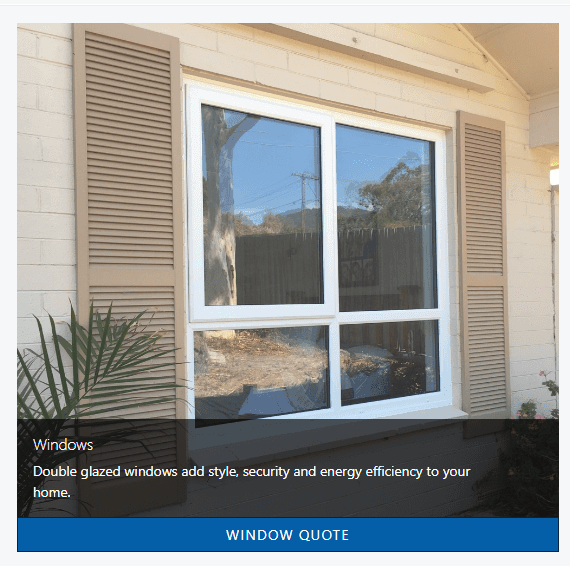
How Useful Are Double Glazed Windows In Summer? Facts, Myths And How-To

Short answer: partly. Double glazing slows the heat that moves through a window by conduction, so it helps your home hold its cool air on a hot day. It does much less about direct sunlight, which is where most summer heat comes in. For a cooler home, the glass coating, the direction each window faces and shading matter as much as the number of panes. For the basics, see how double glazing works.
Where summer heat comes from
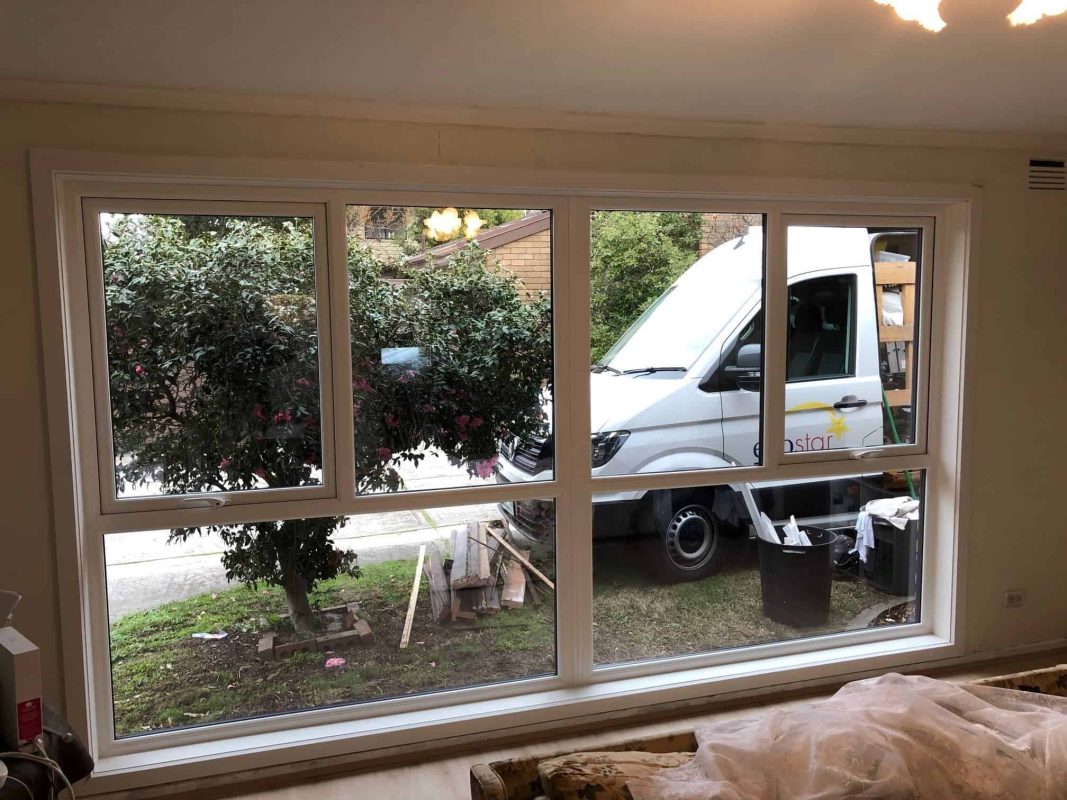
Windows are the weakest part of a home’s thermal shell. Australian Government guidance says up to 87% of a home’s heat gain, and up to 40% of its heat loss, can happen through windows. Most of the summer gain is sunlight passing through the glass and warming whatever it lands on. The rest is heat conducted through the glass and frame.
Does double glazing keep heat out?
A double glazed unit has two panes of glass with a sealed gap between them, usually filled with air or argon. That gap slows conducted heat. With the air conditioner running, it helps keep cool air in and hot outside air out.
It is not the whole answer. A Victorian council factsheet on double glazing says it does not reduce summer heat gain particularly well and that shading is more effective. Think of double glazing as one part of a cooler home, not the entire fix.
Summer myths about double glazing
Myth: double glazed windows make your home hotter in summer
Double glazing does not trap extra heat or magnify the outside temperature. It slows heat moving through the window in both directions. If your home feels hot, the cause is more likely unshaded glass, a west-facing window or low ceiling insulation.
Myth: double glazing will keep the heat out on its own
This is also overstated. Direct sun passes through glass and warms the room. A low-e coating, a suitable glass type and shading outside the window do the work that the second pane cannot.
Myth: opening the windows always cools the house
It helps only when the air outside is cooler than the air inside, such as in the evening and overnight. On a hot afternoon, open windows let hot air in. Closing the windows and blinds through the hottest part of the day, then opening them once it cools, is a sound routine. If you want fresh air with the window closed, ask about trickle vents, which let air circulate while the window stays shut.
SHGC: the number that matters most in summer
The Solar Heat Gain Coefficient (SHGC) shows how much of the sun’s heat passes through the whole window. A lower SHGC lets in less heat. Low-e coatings and tinted glass are the usual ways to lower it.
There is a trade-off. In winter, a higher SHGC on a north-facing window lets free solar warmth in. In cooler parts of Victoria, heating is a bigger energy load than cooling for many homes, and a very low SHGC on every window can cost you winter warmth. The best glass often differs by window. West-facing and unshaded windows are where a low SHGC pays off most.
Frames conduct heat too
Aluminium is a good heat conductor, so a standard aluminium frame lets heat pass through even when the glass is good. uPVC is a poor conductor, which is one reason uPVC Double Glazed Windows perform well as a complete window.

Does double glazing block UV rays?
Partly. All common window glass blocks most UVB, the type that causes sunburn. UVA is different. Cancer Council Australia notes that how much UVA passes through depends on the type of glass, so a double glazed window is not automatically UV-proof.
A laboratory study found that laminated glass blocked UVA completely, while ordinary glass let through the most. The glass you choose matters more than the number of panes.
| Glass type | UVB (burning rays) | UVA (ageing and fading rays) |
|---|---|---|
| Standard clear glass | Most blocked | A large share passes through |
| Low-e coated glass | Most blocked | Reduced, varies by coating |
| Laminated glass | Blocked | Nearly all blocked |
Can you get sunburnt or tanned through double glazing?
You are unlikely to burn, because most UVB is blocked. UVA can still reach you through standard glass, and it contributes to skin ageing and long-term skin damage. Cancer Council advises sun protection for people who spend long periods close to a window. If you have a large window where you sit or work, laminated glass is worth asking about.
UV and fading furnishings
Sunlight fades carpets, floors and furniture over time. UV is a major cause, alongside visible light and heat. Laminated glass and low-e coatings reduce it. Ask for the tested UV figure for the exact product rather than relying on a general claim.
Do double glazed windows keep heat in?
Yes. This is where double glazing is strongest. Australian Government guidance says double glazed windows can reduce heat loss by up to 30%. The sealed gap slows heat leaving the glass in winter in the same way it slows heat arriving in summer. For the full explanation, read the science behind double glazing.
How to customise double glazing for summer
Different glass types suit different needs. Ask for the tested figures for the exact product.
| Glass type | What it does | Best for |
|---|---|---|
| Low emissivity (low-e) | An invisible coating reflects heat and lowers the solar heat entering the room | Hot, sunny windows, especially west-facing |
| Laminated | A tough interlayer between two sheets of glass; more durable and blocks nearly all UVA | Protecting furnishings and skin from UV |
| Sound reduction | Panes of different thicknesses reduce noise passing through | Noisy streets and neighbourhoods |
| Security | Harder to break than standard glass | Ground floors, windows near doors, homes left empty over summer |
Shading still does the heavy lifting
Government guidance recommends shading that suits each window’s direction. For most of Australia, north-facing glass is the simplest to shade. Seasonal plants, a pergola or an external awning keep direct sun off the glass before it enters the home. Shade outside the window works better than curtains inside, because the heat is already indoors by then.
Don’t forget your doors
Sliding and French doors often have more glass than any window in the house. The same rules apply: check the glass type, the frame and the shading. Our uPVC Double Glazed Doors use the same double glazed construction as our windows.
What to ask a supplier before you buy
- The whole-window WERS cooling and heating star ratings, not just the glass specification.
- The SHGC and U-value for each window, not one average for the house.
- The tested UV figure for the glass, and whether laminated glass is available.
- What the frame is made of and how it affects heat transfer.
When double glazing will not fix a hot room
A large, unshaded west-facing window will stay hot in the afternoon whatever the glazing. Poor ceiling insulation will do the same. If one room is the hottest in the house, check shading and insulation first, or alongside any window upgrade. This is general information. Results depend on your home, its orientation and how you use heating and cooling.
How Ecostar approaches it
Ecostar Double Glazing was founded in 1979 and is based in Dandenong South. We design, manufacture and install uPVC Double Glazed Windows in Melbourne and across Victoria, so the frame, glass and seals work as one system. See double glazing in Victoria for the areas we cover.
Frequently asked questions
Does double glazing keep a house cooler in summer?
It can help, mainly by slowing conducted heat so cooled air stays inside. It does less against direct sunlight, which is controlled by glass coatings (SHGC) and shading.
Is double glazing better than shading for summer heat?
Government and council guidance says shading is usually more effective for summer heat. The best result comes from using both.
What glass is best for hot Australian summers?
Low-e glass is the most useful for reducing solar heat. The right choice depends on which way each window faces, so compare the WERS cooling and heating ratings for the whole window.
Does double glazing block UV rays?
Partly. Window glass blocks most UVB, but how much UVA passes through depends on the glass type. Laminated glass blocks nearly all UVA, and low-e coatings reduce it.
Can you get sunburnt through double glazed windows?
Burning is unlikely because most UVB is blocked, but UVA can still pass through standard glass and contribute to skin ageing and long-term damage. Laminated glass blocks nearly all UVA.
Do double glazed windows keep heat in?
Yes. Government guidance says double glazed windows can reduce heat loss by up to 30%, which helps keep a home warmer in winter.
Get a quote for your windows
If you have specific summer requirements, get in touch with one of our specialists, or use our free online quote to start planning.
Share
More News
Double Glazing or Secondary Glazing: What’s the Difference?
Bushfire Season 2026: What Melbourne Homeowners Need to Know About Their Windows
Bushfire Season 2026 Is Starting Earlier – Is Your Home’s Glazing Ready?
Are Your New Windows Actually Safe? What Australian Homeowners Need to Know