
Condensation on Windows: Why It Happens and How to Stop It
Condensation on windows is one of the most common issues homeowners notice during the colder months.
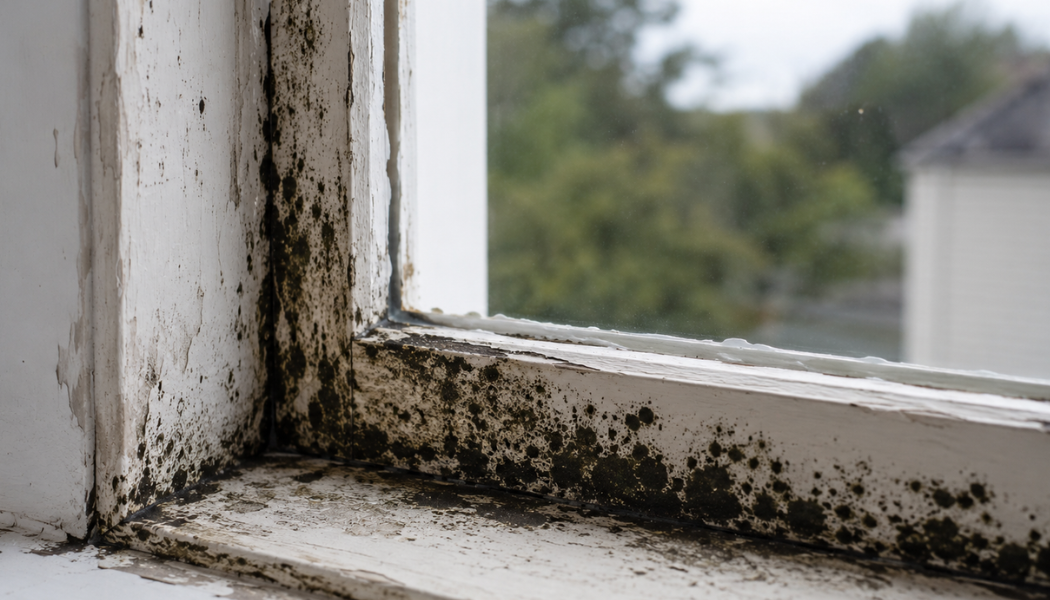
It shows up as fogged glass, water pooling on sills, or in more persistent cases, mould developing on frames.
South-facing windows are often affected first, and the reasons come down to basic physics rather than anything particular to the home.
What Causes Condensation on Windows
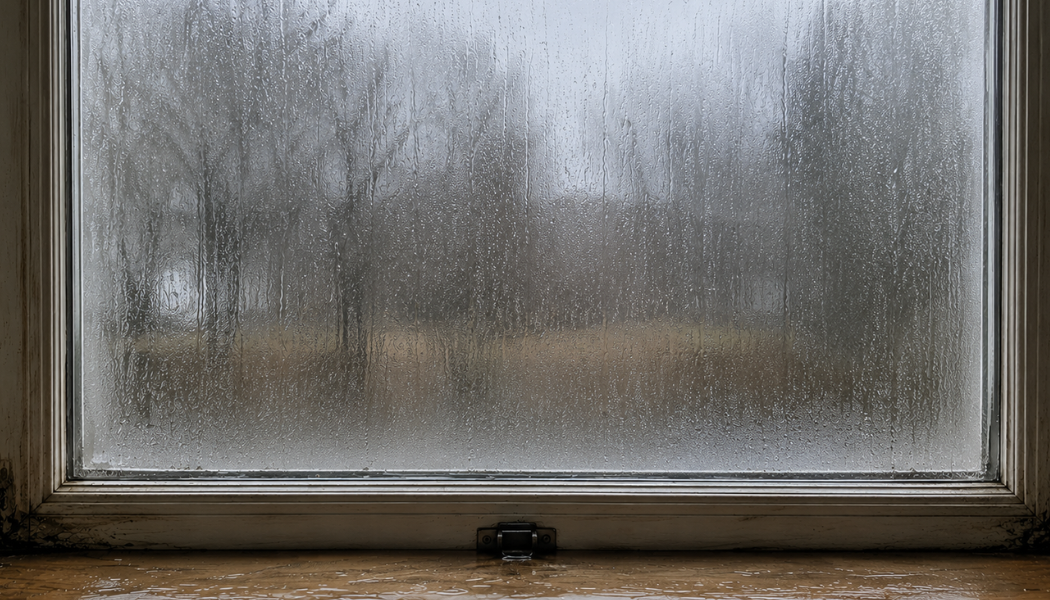
Condensation forms when warm, moist indoor air meets a cold glass surface. Everyday activities add moisture to the air inside a home:
- Cooking without exhaust ventilation
- Showering with the bathroom door open
- Drying laundry indoors
- Even breathing adds moisture in poorly ventilated rooms
When that moist air reaches glass that has dropped below the dew point, the moisture condenses into visible water droplets on the surface. The colder the glass, the more likely this is to happen.
Condensation vs Mould: What Is the Difference
Condensation is the moisture itself. Mould is what can develop if that moisture is not addressed consistently. Left unmanaged, persistent condensation creates the damp conditions mould needs to take hold, particularly on window frames and sills. Beyond the cosmetic concern, mould can affect indoor air quality over time. Managing the underlying cause is more effective than surface cleaning alone.
Why Single Glazing Makes This Worse
Single pane glass has very little insulating capacity. The interior glass surface temperature tracks much closer to the outdoor temperature than it does with a double glazed unit. This creates a larger gap between the warm indoor air and the cold glass surface, which is precisely the condition condensation needs to form consistently. Ageing window seals compound the problem further, allowing additional heat to escape and keeping the glass surface colder than it should be.
How Double Glazing Reduces Condensation
Double glazing works by placing two panes of glass with an insulating gap between them. This reduces the amount of heat that transfers through the window, keeping the interior glass surface closer to room temperature. With a larger gap between the glass surface temperature and the indoor air, the dew point is reached far less often, reducing condensation and limiting the conditions in which mould can develop.
The Role of Ventilation
Window glazing addresses the surface temperature side of the problem, but indoor humidity levels also play a role. Managing both factors together produces better outcomes than addressing only one:
- Use exhaust fans when cooking or showering
- Open windows briefly to allow moist air to escape
- Avoid drying clothes indoors where possible
When Condensation Becomes a Persistent Problem
Occasional condensation on a cold morning is common and not always a cause for concern. But these signs suggest the window system itself is contributing:
- Condensation appearing regularly across multiple windows
- Mould returning after cleaning
- Window frames showing signs of moisture damage or warping
- Visible deterioration of seals or gaskets
Upgrade to High-Performance Windows
Condensation that keeps returning, mould that comes back after cleaning, and frames showing signs of moisture damage are signs the window system is no longer performing adequately. Surface fixes do not address the underlying cause, and over time the problem compounds.
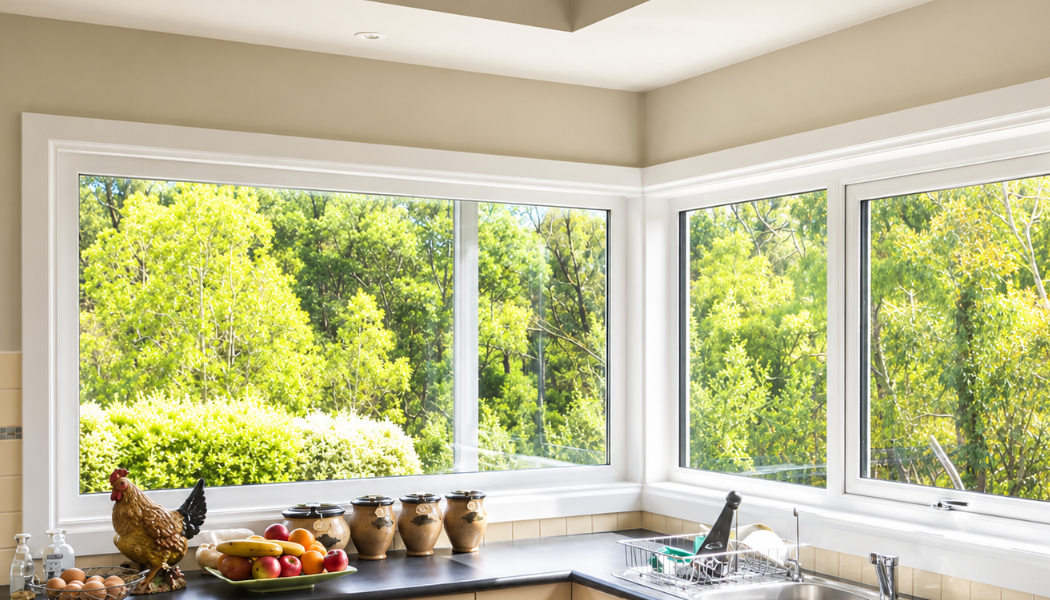
At Ecostar Double Glazing, we manufacture and install uPVC double glazed windows and doors designed to keep interior glass surfaces closer to room temperature, reducing the conditions that cause condensation and mould to develop in the first place. Unlike single glazing or ageing sealed units, our systems are built to perform across Victoria’s full seasonal range. If your windows are showing persistent signs of condensation or mould, we offer free in-home assessments to help you understand what is contributing to the problem and what your options are.
Frequently Asked Questions
Does double glazing stop condensation completely?
Double glazing significantly reduces condensation by keeping the interior glass surface closer to room temperature. It does not eliminate condensation entirely in all conditions — if indoor humidity levels are very high, some condensation can still occur. Managing ventilation alongside glazing produces the best results.
Why do I get condensation on the inside of my windows?
Condensation on the interior glass surface forms when warm, humid indoor air contacts glass that has dropped below the dew point. This is most common in winter when outdoor temperatures are low and indoor activities like cooking, showering, and drying laundry add moisture to the air.
Is condensation on windows a sign of a problem?
Occasional condensation on a cold morning is normal. Condensation that appears regularly across multiple windows, or that is accompanied by mould on frames and sills, suggests the window system is no longer insulating adequately. In these cases, the underlying cause needs to be addressed rather than just the surface moisture.
Can mould from window condensation affect my health?
Mould that develops from persistent condensation can affect indoor air quality over time. Prolonged exposure to mould spores has been linked to respiratory irritation and allergy symptoms, particularly in children, the elderly, and people with existing respiratory conditions. Addressing the source of moisture is more effective than repeated surface cleaning.
How do I know if my windows need replacing?
Signs that your windows may need replacing include condensation returning consistently after cleaning, mould that keeps coming back on frames or sills, visible warping or moisture damage to frames, and deteriorating seals or gaskets. If you are seeing multiple signs, a free in-home assessment can help identify whether replacement is the right next step.
Share
More News
Double Glazing or Secondary Glazing: What’s the Difference?
Bushfire Season 2026: What Melbourne Homeowners Need to Know About Their Windows
Bushfire Season 2026 Is Starting Earlier – Is Your Home’s Glazing Ready?
Are Your New Windows Actually Safe? What Australian Homeowners Need to Know